This environmental due diligence NSW checklist helps you identify contamination and approval risks before you buy a site.
Completing due diligence environmental checks before buying a site is critical in NSW, where contamination and regulatory issues often sit below the surface. Once contracts are exchanged, environmental risk usually transfers to the buyer, along with remediation costs and approval delays.
This guide outlines the five environmental checks that matter most before purchase, helping buyers and developers identify risks early and make informed decisions.
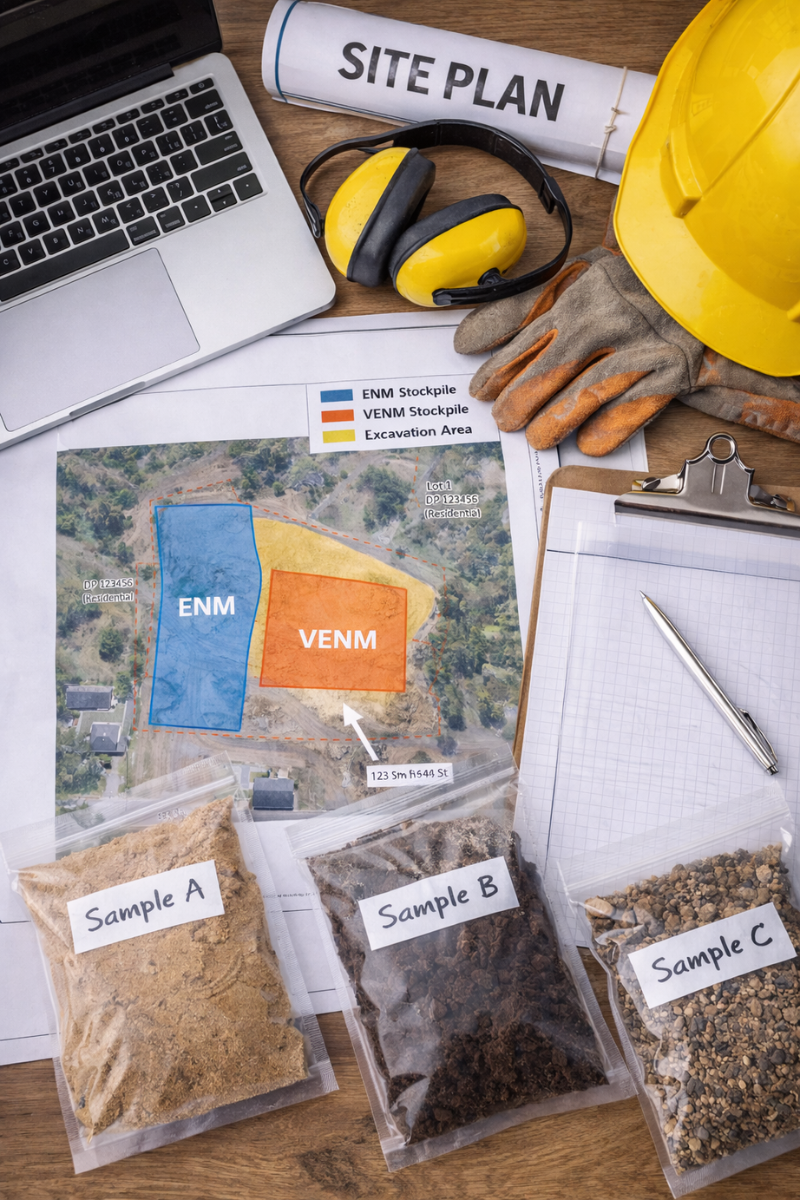
1. Site history and contamination risk
Start with a desktop review of current and historical land use on and around the site.
Red flags include:
Industrial or commercial activity
Agricultural chemical use
Service stations, workshops, or depots
Imported fill of unknown origin
If contamination risk is identified, further investigation is usually required before development.
2. Preliminary Site Investigation (PSI)
A Preliminary Site Investigation (PSI) is the standard next step where contamination is possible.
A PSI helps determine:
Whether contamination is likely
If further investigation (DSI) is needed
Whether the site is suitable for its intended use
Councils in NSW often require a PSI to support development applications.
4. Asbestos and hazardous materials
Asbestos remains common across NSW, particularly on older or previously developed sites.
Due diligence should consider:
Potential asbestos in soil or structures
Need for asbestos surveys or registers
Management obligations during demolition or excavation
Other hazardous materials such as hydrocarbons or heavy metals may also be present depending on site history.
5. Council and regulatory requirements
Environmental risk is not just technical, it is regulatory.
Before purchase, confirm:
Council contamination policies
Planning and zoning constraints
EPA requirements for waste handling or remediation
Likely environmental reports required for approval
A site may appear suitable but still trigger remediation or additional reporting under NSW planning controls.
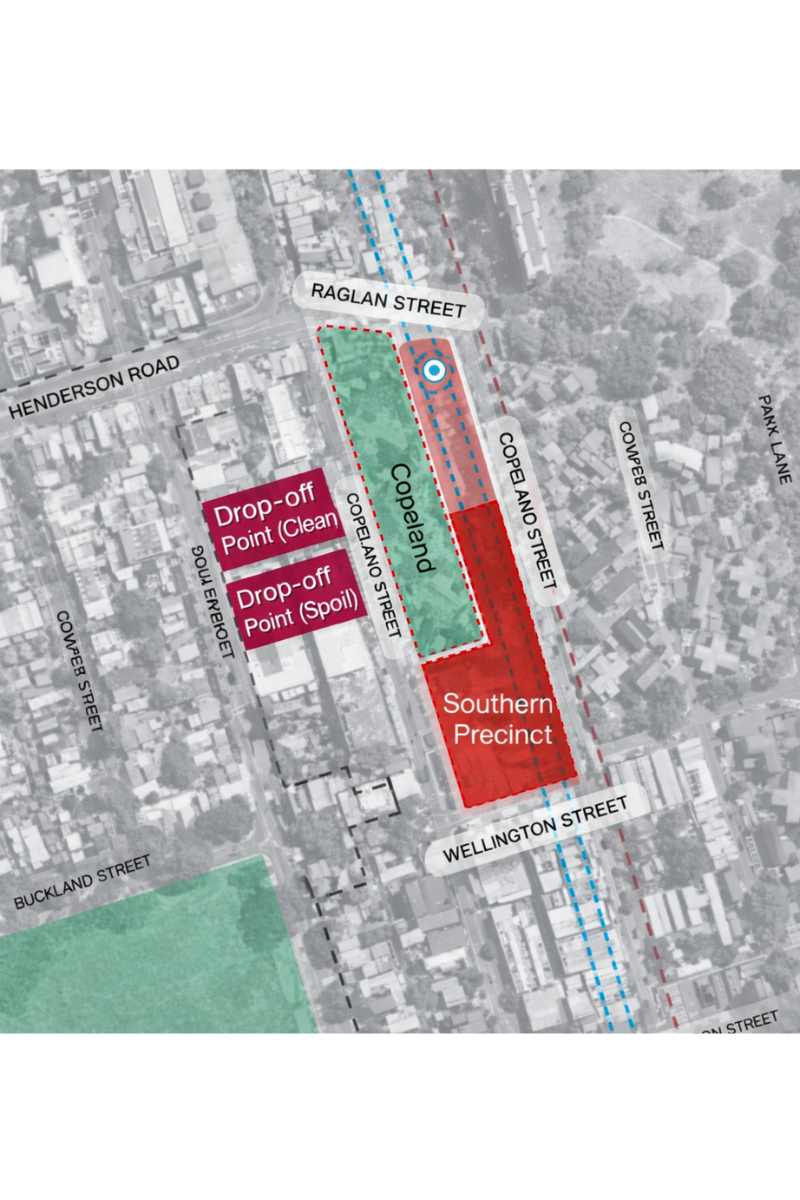
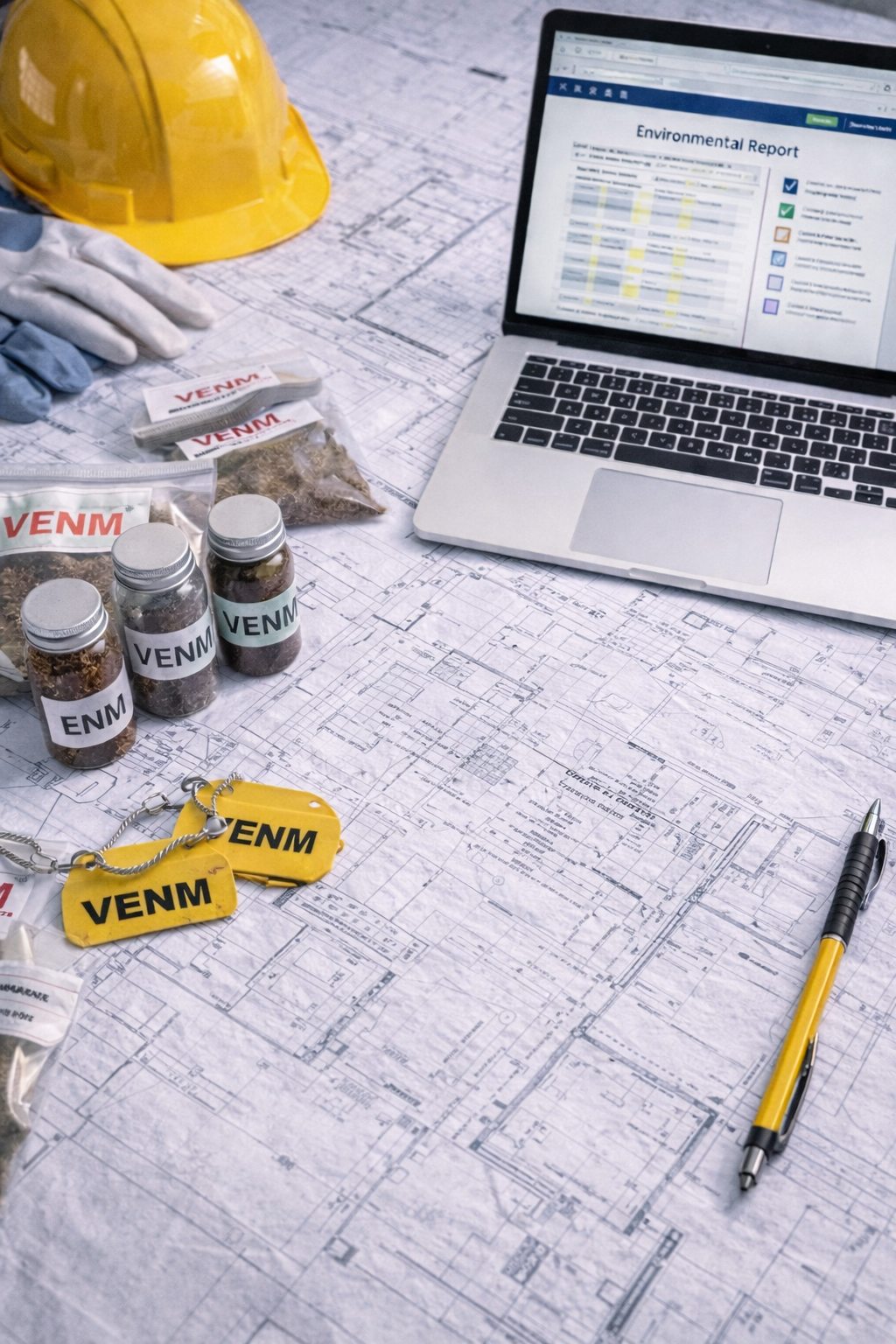
Councils are not all identical, but the pattern is consistent: they want evidence and traceability. If you are seeking reuse, import/export, or a clean fill pathway, expect to provide a pack that proves your classification is real, not a guess.
“Council-ready” evidence pack checklist
Clear classification outcome: VENM or ENM and why
Site history summary: what was on the land, what risks were checked
Material description + photos: stockpiles, separation, inclusions
Sampling plan + lab results (when required) with chain-of-custody
Statement of compliance with the NSW EPA framework (ENM Order and Exemption if ENM)
Handling and separation controls: how you prevented cross-contamination
Transport and destination details: where material went and under what conditions
Completing due diligence environmental checks before buying a site helps avoid hidden liabilities, protects budgets, and reduces approval risk. Early identification of contamination, soil, and regulatory issues allows buyers to negotiate, redesign, or walk away before costs escalate.
If you are considering purchasing land in NSW, a targeted environmental due diligence review can quickly confirm risks and clarify next steps before contracts are signed.