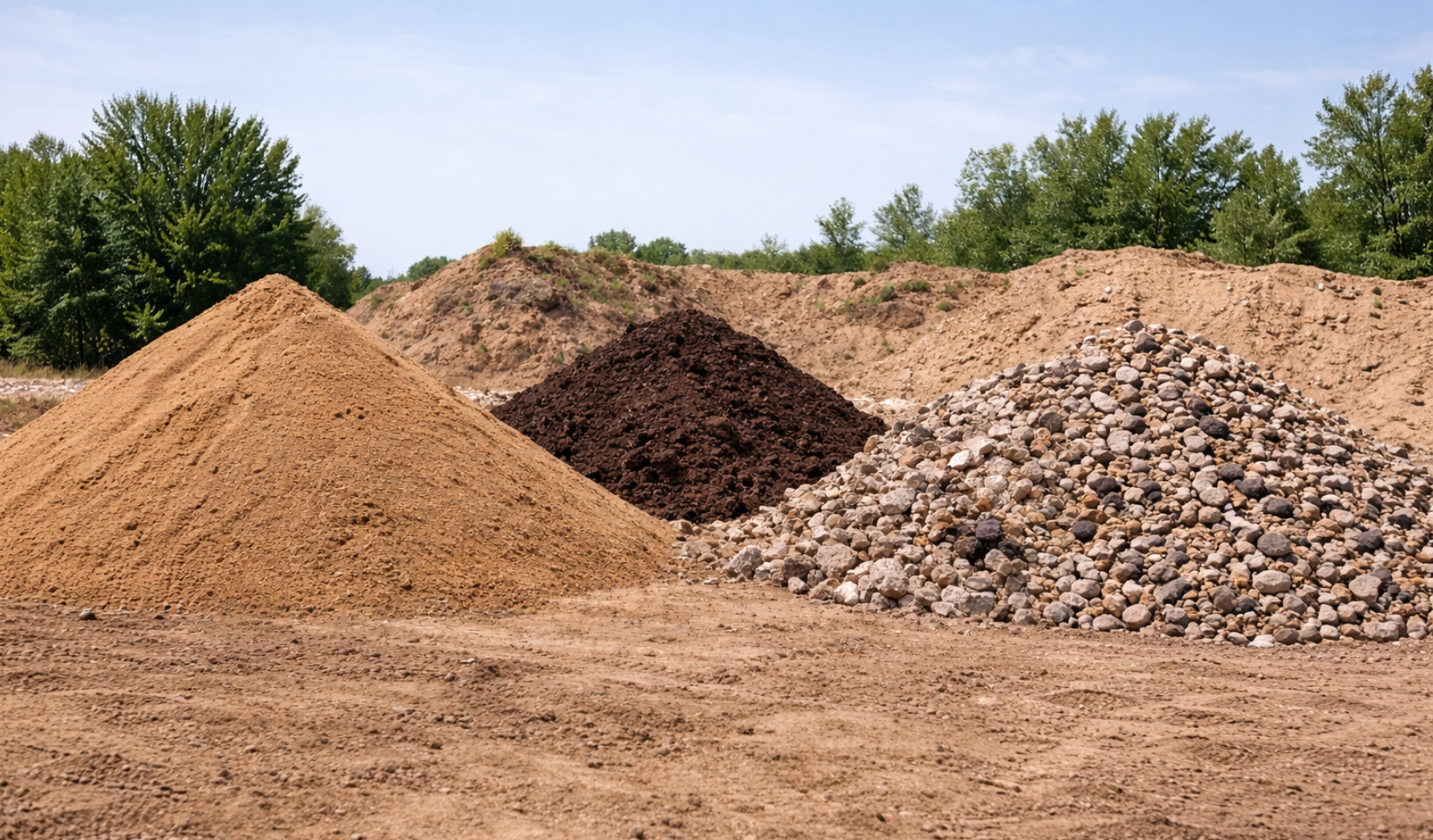
VENM (Virgin Excavated Natural Material)
ENM vs VENM is one of those decisions that looks small on paper but can seriously impact your site timeline and disposal costs. Classify material correctly and you can unlock lawful reuse pathways. Get it wrong and you risk rejected loads, rework, delays, and extra fees.
This article breaks down the real differences between ENM and VENM in NSW, when testing is typically needed, and what councils and project stakeholders usually expect to see before they accept a reuse or disposal pathway.
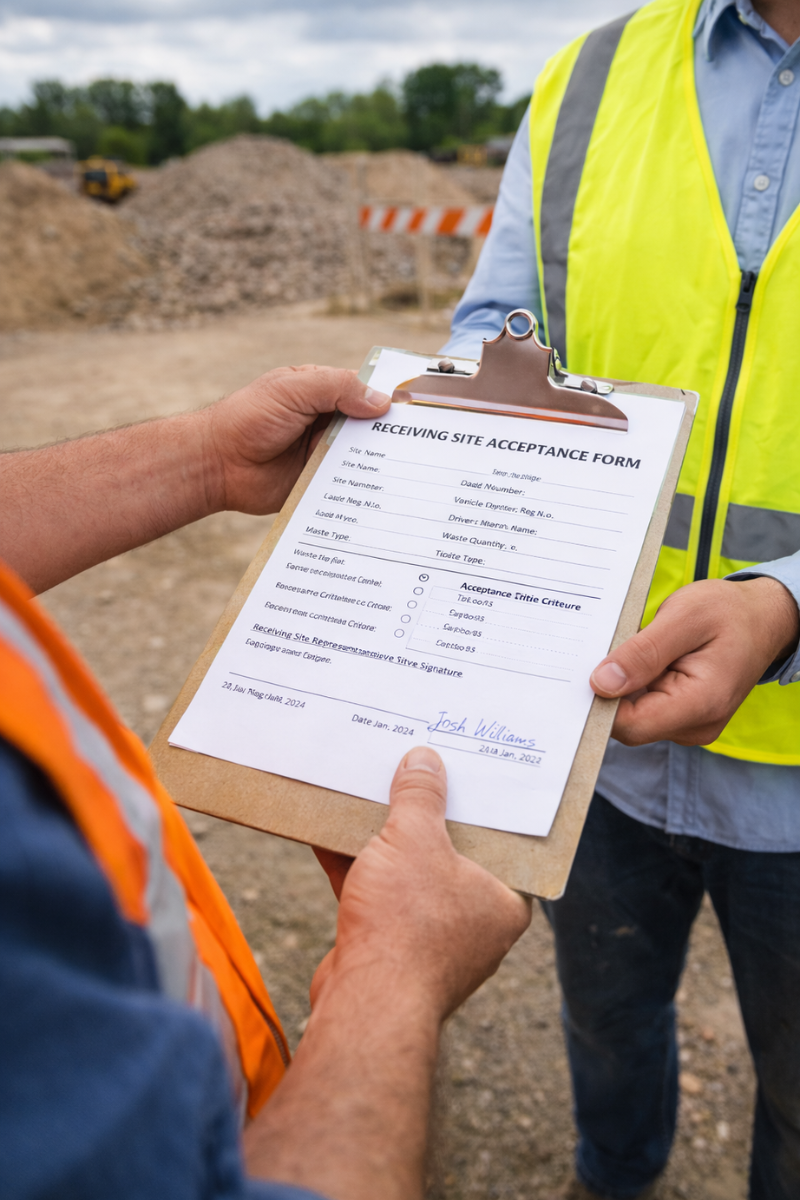
VENM (Virgin Excavated Natural Material)
VENM is the cleanest category. NSW EPA’s definition is strict: material can only be classed as VENM if it is excavated from an area not contaminated by manufactured chemicals or process residues, including impacts from industrial, commercial, mining, or agricultural activities.
In simple terms, VENM is natural soil, rock, sand, clay, gravel, or similar material that is:
Not mixed with other wastes
Not impacted by contamination indicators
Managed in a way that keeps it clean from excavation through transport
ENM (Excavated Natural Material)
ENM is still “natural material”, but it is regulated under the NSW EPA Resource Recovery Order and Exemption framework. The Excavated Natural Material Order 2014 sets requirements that must be met by suppliers of ENM.
The related Excavated Natural Material Exemption 2014 outlines conditions for when ENM can be lawfully applied to land (and under what constraints).
One practical takeaway: VENM is about meeting the EPA’s VENM definition, while ENM is about meeting the EPA’s ENM Order and Exemption conditions (often requiring stronger evidence and, commonly, testing).
Why this matters now (real-world context)
Construction and demolition (C&D) waste is a huge part of the NSW waste stream. NSW EPA reporting shows 12.7 million tonnes of C&D waste were generated in 2022–23, with 9.8 million tonnes recycled, and the stream making up a large share of overall waste.
That scale is exactly why regulators and councils want the “clean fill” pathway to be defensible. If material is misclassified and ends up used in the wrong setting, it becomes an environmental and compliance risk, and councils get very cautious.
When you usually need testing (practical triggers)
Even if your goal is VENM, testing often becomes necessary when there is any reasonable doubt about site history or material integrity, for example:
Historic fill or unknown imported material
Past industrial, agricultural, or commercial land use
Visible inclusions (brick, asphalt, slag, ash, building rubble)
Staining, odours, hotspots, mixed stockpiles
Acid sulfate soil risk areas, or suspect fragments that could indicate asbestos risk
For ENM, you are working within the ENM Order and Exemption framework, which contains requirements and conditions to be met for reuse.
Important example: the ENM Exemption specifies material must not contain asbestos and also flags ASS and PASS (among other restrictions).
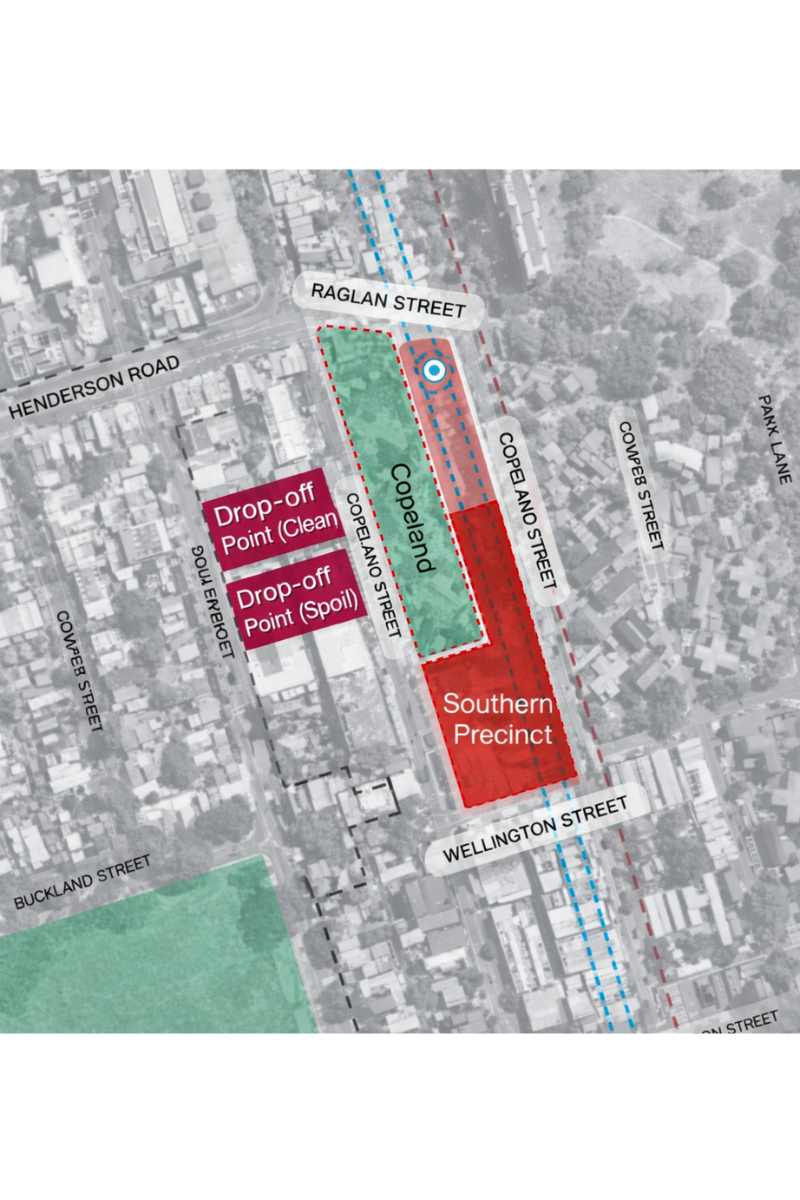
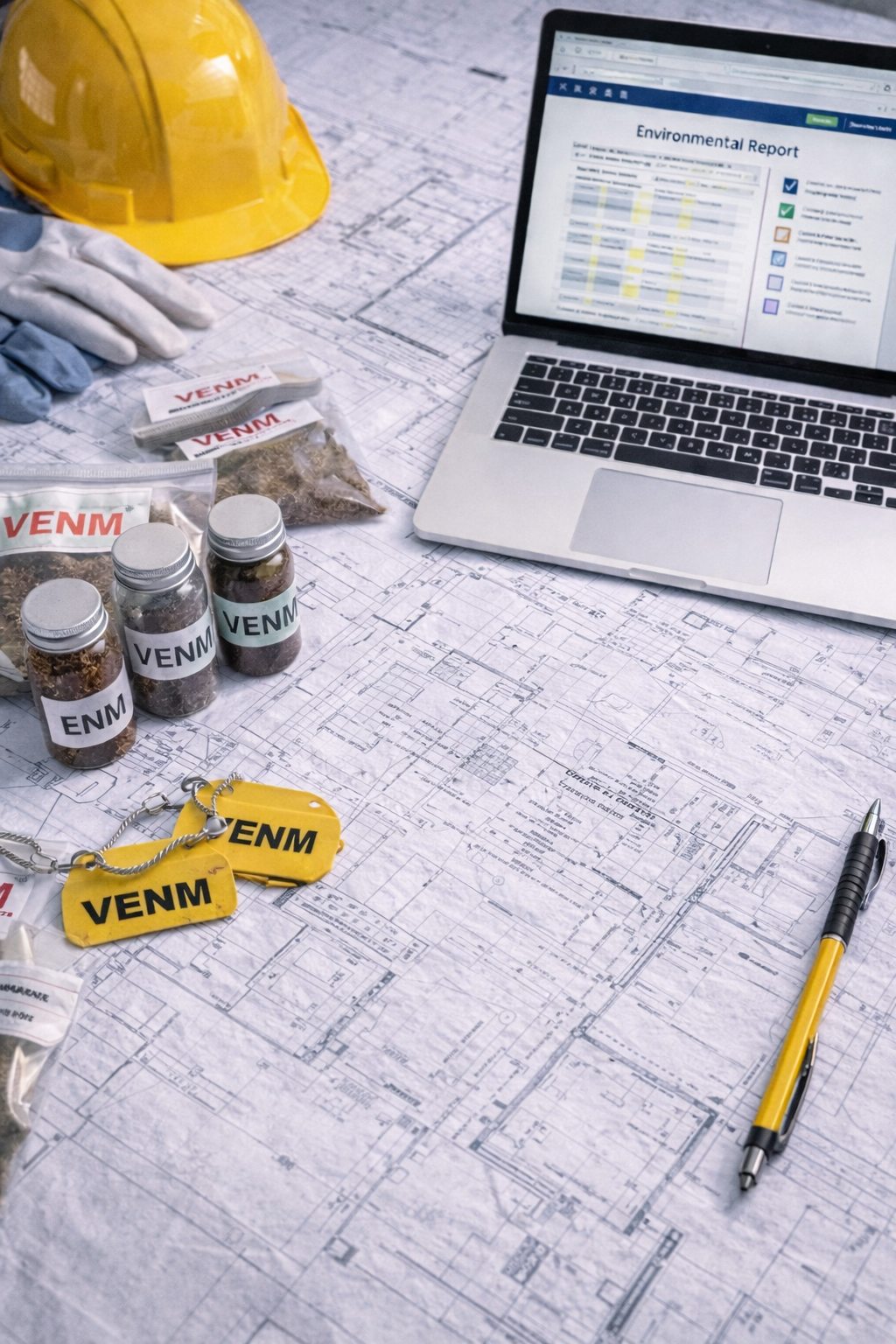
Councils are not all identical, but the pattern is consistent: they want evidence and traceability. If you are seeking reuse, import/export, or a clean fill pathway, expect to provide a pack that proves your classification is real, not a guess.
“Council-ready” evidence pack checklist
Clear classification outcome: VENM or ENM and why
Site history summary: what was on the land, what risks were checked
Material description + photos: stockpiles, separation, inclusions
Sampling plan + lab results (when required) with chain-of-custody
Statement of compliance with the NSW EPA framework (ENM Order and Exemption if ENM)
Handling and separation controls: how you prevented cross-contamination
Transport and destination details: where material went and under what conditions
If you are exporting soil, importing fill, or planning offsite reuse, book a quick consult and we will confirm the fastest compliant pathway for your project.
ENM vs VENM comes down to one thing: proof. VENM must meet the EPA definition (clean, not contaminated). ENM must meet the EPA’s Order and Exemption conditions and typically needs stronger documentation and, where required, testing.
If you want to keep jobs moving, avoid rejected loads, and keep your reuse pathway council-ready, the best move is to lock in the classification early and manage stockpiles properly from day one.