


Top Causes of Indoor Mould Growth in Central Coast Homes
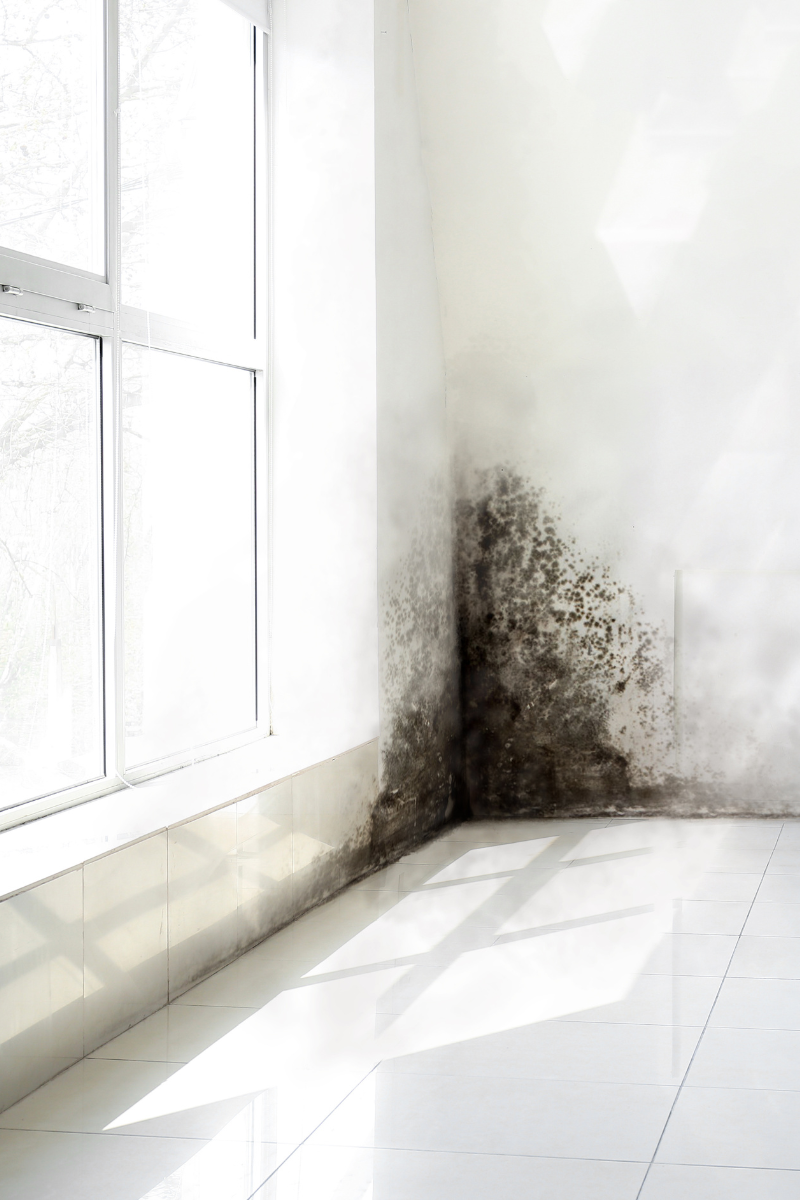
If you’ve noticed a musty smell or dark patches creeping across your walls, you’re not alone. Mould testing in NSW, especially in Central Coast homes, has become essential as humid coastal weather, rainfall, and older housing make mould growth more likely. Mould isn’t just an eyesore it can silently damage property value, cause health problems, and spread faster than you might expect.

Why it’s worse on the Central Coast
The Central Coast’s warm, damp climate creates the perfect environment for mould spores to thrive. Homes near the ocean or surrounded by bushland are especially at risk. Once humidity rises above 60%, mould begins to grow on surfaces like plaster, timber, carpet, and even inside air conditioning units.
According to NSW Health, exposure to mould can trigger respiratory irritation, allergies, and worsen asthma especially in children and older adults. That’s why prevention isn’t just about cleaning; it’s about understanding the conditions that make mould grow in the first place.
The most common culprits behind indoor mould growth in Central Coast homes
Mould thrives wherever there’s excess moisture. Here’s what’s driving it in local homes:
- Poor ventilation — Bathrooms, laundries, and kitchens without exhaust fans trap steam, allowing condensation to settle on walls and ceilings.
- Leaky roofs and plumbing — Even small, hidden leaks can create the dampness mould loves, often behind walls or under flooring.
- Rising damp — Many older Central Coast homes lack modern waterproofing, allowing moisture to travel up from the ground.
- Blocked gutters or drainage — Overflowing water during wet seasons keeps exterior walls constantly damp.
- Neglected air conditioning units — Dirty filters or unserviced systems can spread mould spores throughout the home.
When to call a professional
While some homeowners try to scrub mould away, surface cleaning only hides the deeper issue. If you’re seeing mould reappear after cleaning, or noticing musty smells, it’s time to call the experts.
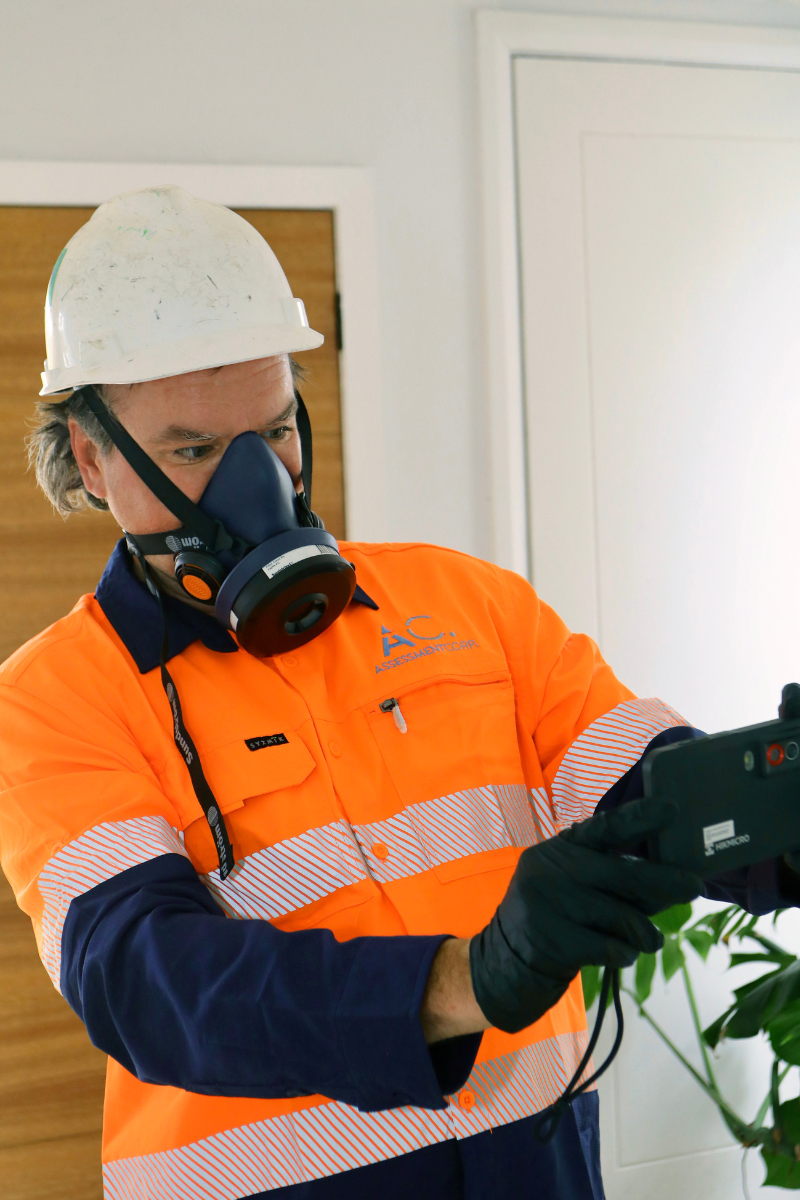
Assessment Corp’s certified hygienists use moisture mapping, air sampling, and lab analysis to pinpoint the exact cause of indoor mould growth in Central Coast properties before it spreads further. Our team doesn’t just test; we guide you through a tailored remediation plan so you can prevent it from returning.
Don’t wait until mould becomes a costly repair.
Sources & References:
- NSW Health — Mould


